
Thinking about selling your home in Richmond, BC? Here are 10 common mistakes that could cost you thousands when it's time to sell.
Your home is likely one of your biggest financial investments, so naturally, you want to get the best possible price when it's time to sell.
Whether you own a detached house in Steveston, a townhouse in Terra Nova, or a condo in Richmond City Centre, there are certain things that can negatively affect your home's resale value.
The good news? Many of these issues are preventable, and some can be fixed without spending a fortune.
As a Richmond REALTOR®, I've seen how small details can make a big difference in how buyers perceive a property.
Here are 10 things that could hurt your home's resale value and what you can do to protect your investment.
1. Poor Home Maintenance
One of the biggest factors that can negatively affect your home's value is a lack of regular maintenance.
Small issues like a leaking faucet, cracked caulking, peeling paint, or damaged flooring might seem insignificant. However, when buyers notice several maintenance problems, they may start wondering what other issues have been neglected.
Common maintenance problems include:
Leaky faucets and plumbing fixtures
Water stains on ceilings or walls
Cracked or damaged flooring
Peeling exterior paint
Broken appliances or fixtures
Dirty or clogged gutters
What you can do: Stay on top of regular home maintenance. Fix small problems before they become expensive repairs, and address visible issues before listing your property.
A well-maintained home gives buyers confidence that the property has been properly cared for.
2. Outdated Kitchens and Bathrooms
Kitchens and bathrooms are two of the most important areas buyers look at when evaluating a home.
An outdated kitchen with worn countertops, aging cabinets, or old appliances can make an otherwise beautiful property feel tired.
The same applies to bathrooms with dated tiles, worn fixtures, or damaged vanities.
However, you don't necessarily need a complete renovation to improve your home's appeal.
What you can do:
Replace outdated cabinet hardware
Update faucets and light fixtures
Repaint cabinets where appropriate
Refresh caulking and grout
Replace damaged countertops or fixtures
Give everything a thorough cleaning
Sometimes, a few affordable cosmetic updates can make a significant difference.
Before investing in a major renovation, speak with a local REALTOR® to determine whether the potential increase in resale value justifies the cost.
3. Unpermitted Renovations
Renovations can add value to your home, but renovations completed without the necessary permits can create complications when selling.
In Richmond, certain renovations and alterations require permits from the City of Richmond.
Examples may include:
Structural modifications
Removing or altering load-bearing walls
Significant plumbing or electrical changes
Adding secondary suites
Building additions or extensions
Unpermitted work can raise concerns about safety, insurance, financing, and whether the improvements comply with applicable regulations.
Buyers may request additional documentation, inspections, or repairs before proceeding with a purchase.
What you can do: Before starting a renovation, confirm whether permits are required. If you've already completed renovations without permits, investigate your options before listing your home.
Having the proper documentation can help buyers feel more comfortable and confident about their purchase.
4. Water Damage, Moisture, and Mould
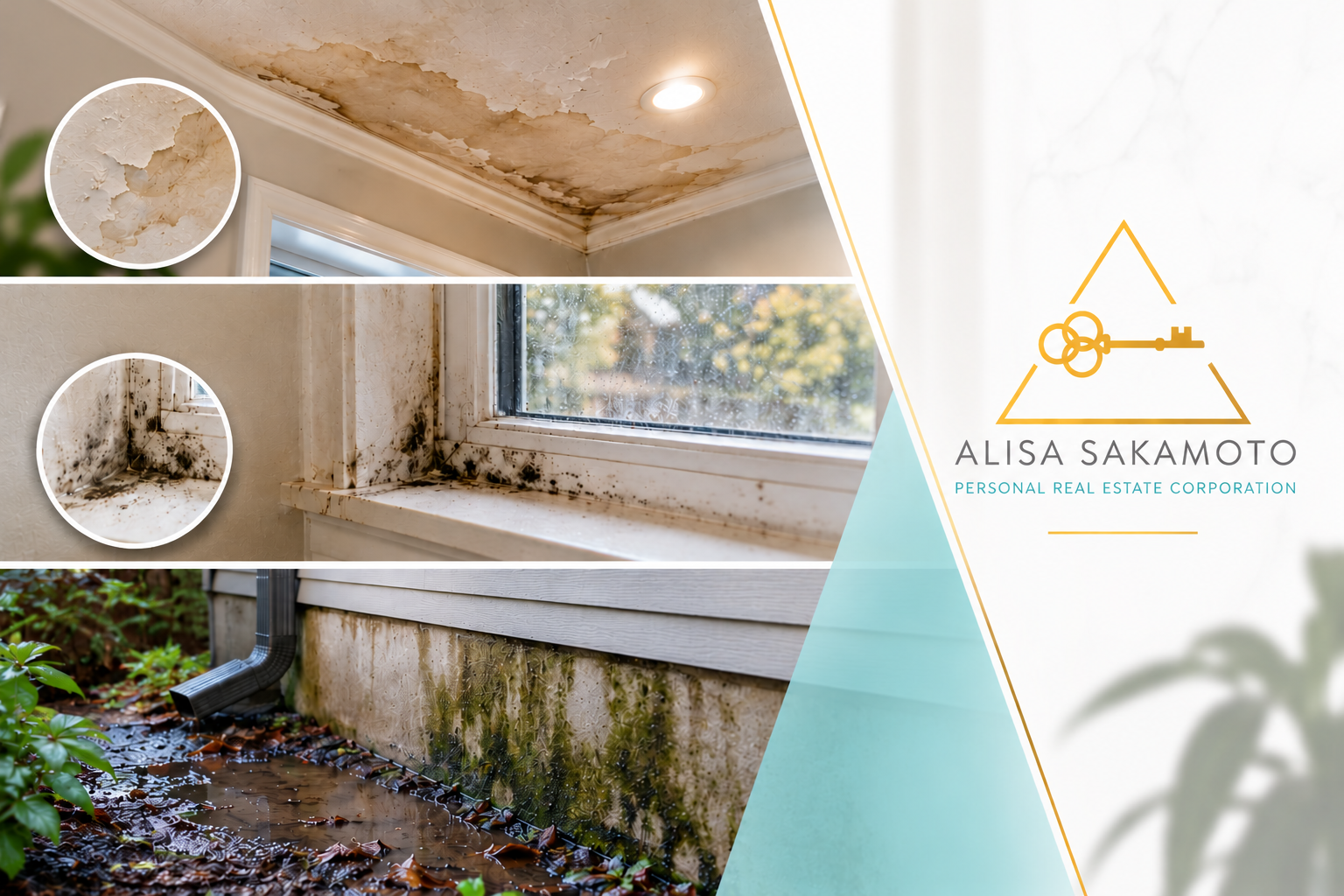
Water damage is a major concern for homebuyers, particularly in a region like Metro Vancouver, where we experience significant rainfall throughout the year.
Even minor signs of moisture can make buyers nervous about potentially expensive repairs.
Warning signs include:
Water stains on ceilings
Bubbling or peeling paint
Musty odours
Visible mould
Damp basements or crawl spaces
Water pooling near the foundation
For Richmond homeowners, proper drainage, roof maintenance, and moisture management are especially important.
What you can do: Investigate moisture issues as soon as they appear. Repair the underlying cause rather than simply covering up the damage.
Keeping records of professional inspections and completed repairs can also help reassure potential buyers.
5. Too Much Personalization
Your home should reflect your personality and lifestyle. However, when it comes time to sell, highly personalized design choices can sometimes limit its appeal.
For example:
Bright or unusual paint colours
Bold wallpaper throughout the home
Unconventional room conversions
Unique flooring or decorative finishes
Family photos throughout the home
While you might love these features, potential buyers may see them as additional expenses they'll need to address after moving in.
What you can do: Consider neutral colours and timeless finishes when preparing your home for sale.
The goal isn't to remove all personality from your home. It's to help buyers imagine themselves living there.
A fresh coat of neutral paint can be one of the most cost-effective ways to refresh a property.
6. Poor Curb Appeal
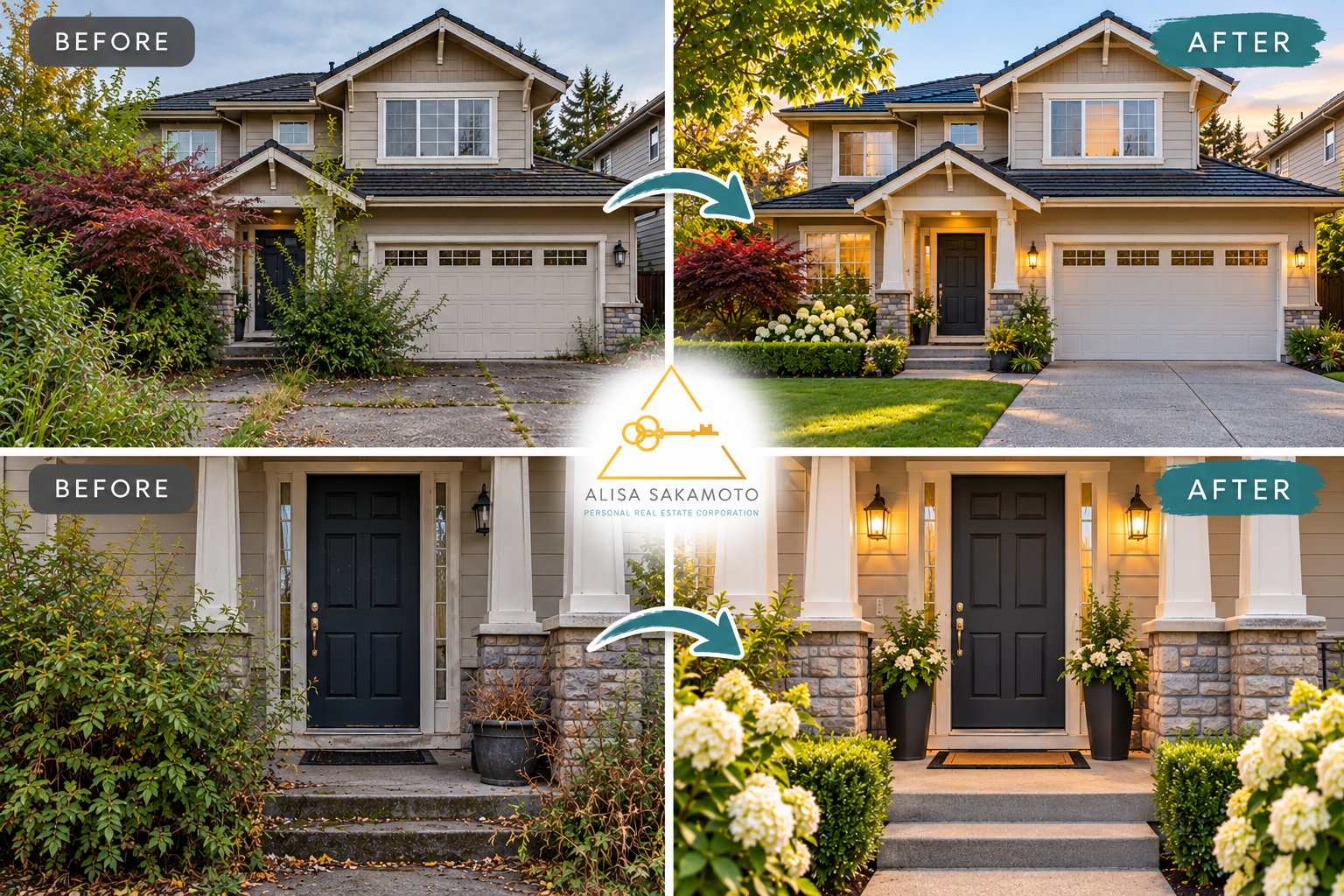
First impressions matter!
Before buyers even step through your front door, they're already forming opinions about your property.
An overgrown yard, dirty driveway, damaged fencing, or neglected exterior can create a negative impression.
This is especially important for detached homes in Richmond neighbourhoods such as Steveston, Westwind, Broadmoor, Seafair, and Terra Nova.
What you can do:
Keep lawns and landscaping tidy
Trim overgrown trees and shrubs
Pressure wash walkways and driveways
Clean exterior windows
Repair damaged fencing
Remove clutter from the yard
You don't need expensive landscaping to create a welcoming first impression.
A clean, well-maintained exterior can go a long way toward attracting buyers.
7. Poor DIY Renovations
DIY renovations can save money, but poorly executed projects can actually reduce your home's appeal.
Buyers often notice uneven flooring, crooked tiles, sloppy paintwork, poorly installed trim, and unfinished projects.
Even if these issues are primarily cosmetic, they can raise concerns about the quality of other improvements throughout the home.
What you can do: Be realistic about which projects you can complete yourself and which ones require professional expertise.
For major renovations involving electrical, plumbing, or structural work, hiring qualified professionals is particularly important.
Quality workmanship can help protect your home's long-term value.
8. Unpleasant Odours and Poor Cleanliness
You might not notice certain smells in your own home because you've become accustomed to them.
However, buyers often notice them immediately.
Common concerns include:
Pet odours
Cigarette smoke
Strong cooking smells
Musty carpets
Garbage or food odours
Poor ventilation
Strong odours can distract buyers from your home's positive features and may suggest that additional cleaning or remediation will be required.
What you can do: Deep clean your home before listing, including carpets, upholstery, walls, and ventilation areas where appropriate.
Avoid using strong air fresheners to mask odours. Instead, identify and eliminate the source.
A clean, fresh-smelling home creates a much more welcoming environment during showings.
9. Poor Layout or Removing Bedrooms
Not every renovation adds value.
Sometimes, homeowners make changes that work perfectly for their lifestyle but may not appeal to future buyers.
For example, converting a three-bedroom home into a two-bedroom home with an oversized walk-in closet might make sense for you, but it could reduce the number of interested buyers.
Similarly, eliminating storage space, or creating an awkward floor plan may negatively affect resale potential.
In Richmond, where many buyers are families looking for functional living spaces, bedroom count and practical layouts can be important selling features.
What you can do: Before making major layout changes, consider how the renovation might affect future resale value.
Whenever possible, prioritize flexibility and functionality.
If you're converting a garage into a flex room, for example, consider keeping the space easy to convert back into a garage.
10. Overpricing Your Home
This last one is especially important.
Even a beautifully maintained home can struggle to sell if it's priced incorrectly.
Some sellers believe that starting with a higher asking price gives them more room to negotiate.
Unfortunately, overpricing can sometimes have the opposite effect.
When a property is listed significantly above market expectations, buyers may overlook it entirely.
As the listing sits on the market, potential buyers may begin to wonder why it hasn't sold.
Eventually, price reductions may become necessary, and the property could lose some of its initial momentum.
What you can do: Work with an experienced Richmond REALTOR® who understands local market conditions, recent comparable sales, and buyer expectations.
A strategic listing price should consider:
Recent sales of comparable properties
Current competing listings
Neighbourhood trends
Your home's condition and upgrades
Property size, layout, and location
Current buyer demand
The right pricing strategy can help attract qualified buyers and position your home competitively from the beginning.
Bonus: What About Things Outside Your Control?
Not everything that affects your home's resale value is something you can change.
Factors such as location, nearby traffic, surrounding developments, school catchments, and overall market conditions can also influence what buyers are willing to pay.
For example, two similar homes in Richmond may sell for different prices because one is located on a quiet residential street while the other backs onto a busy road.
You may not be able to change these factors, but understanding how they affect your property's market value is important when developing a selling strategy.
This is where local real estate knowledge becomes particularly valuable.
How Can You Protect Your Richmond Home's Resale Value?
The good news is that protecting your home's value doesn't always require expensive renovations.
In many cases, it's about making smart decisions, keeping up with maintenance, and understanding what today's buyers are looking for.
Here are a few simple habits that can make a difference:
Stay on top of maintenance. Address minor issues before they become major problems.
Choose renovations carefully. Focus on improvements that enhance functionality and appeal to a broad range of buyers.
Keep records. Save receipts, warranties, permits, and documentation for major repairs or upgrades.
Think about resale. Before making significant changes, consider how they might affect future buyers.
Get professional advice. A knowledgeable local REALTOR® can help identify which improvements are worth making and which ones may not provide a worthwhile return.
Remember, the goal isn't necessarily to have the most expensive or renovated home in your neighbourhood.
It's to have a property that is well-maintained, attractive, functional, and appropriately priced for the market.
Thinking About Selling Your Home in Richmond?
Whether you're planning to sell in the next few months or simply thinking ahead, understanding what affects your home's resale value can help you make better decisions today.
Every home is different, and not every renovation or improvement will provide the same return on investment.
As a Richmond REALTOR®, I'm happy to help you evaluate your property's current market value and identify improvements that could make the biggest difference when it's time to sell.
Before spending thousands on renovations, let's have a conversation about what buyers in your neighbourhood are actually looking for.
Contact Alisa Sakamoto today for a personalized home evaluation and expert advice on preparing your Richmond property for sale.

Alisa Sakamoto | Richmond REALTOR®




 The data relating to real estate on this website comes in part from the MLS® Reciprocity program of either the Greater Vancouver REALTORS® (GVR), the Fraser Valley Real Estate Board (FVREB) or the Chilliwack and District Real Estate Board (CADREB). Real estate listings held by participating real estate firms are marked with the MLS® logo and detailed information about the listing includes the name of the listing agent. This representation is based in whole or part on data generated by either the GVR, the FVREB or the CADREB which assumes no responsibility for its accuracy. The materials contained on this page may not be reproduced without the express written consent of either the GVR, the FVREB or the CADREB.