RSS

News Release
Greater Vancouver residential property sale and listing 
activity below 10-year averages in November
Vancouver, B.C. – December 4, 2012 – Over the past six months, the Greater Vancouver 
housing market has seen a reduction in the number of homes listed for sale, a gradual moderation 
in home prices and a decrease in property sales compared to historical averages.
The Real Estate Board of Greater Vancouver (REBGV) reports that residential property sales of 
detached, attached and apartment properties reached 1,686 on the region’s Multiple Listing 
Service® (MLS®) in November, a 28.6 per cent decline compared to the 2,360 sales in 
November 2011 and a 12.7 per cent decline compared to the 1,931 home sales in October 2012.
November sales were 30.3 per cent below the 10-year November sales average of 2,420.
“Home sellers appear more inclined to remove their properties from the market today rather than 
lower prices to sell their properties. On the other hand, buyers appear to be expecting prices to 
moderate,” Eugen Klein, REBGV president said.
New listings for detached, attached and apartment properties in Greater Vancouver totalled 2,758
in November. This represents a 14.4 per cent decline compared to November 2011 when 3,222
properties were listed for sale on the MLS® and a 36.2 per cent decline compared to the 4,323
new listings in October 2012.
New listings were 12.9 per cent below the 10-year November average of 3,168.
At 15,689, the total number of residential property listings on the MLS® increased 13 per cent 
from this time last year and declined 9.7 per cent compared to October 2012. Total listings in the 
region have declined by nearly 3,000 properties since reaching a peak of 18,493 in June.
The region’s sales-to-active-listings ratio was unchanged from October at 11 per cent.
“Home prices in Greater Vancouver have generally declined between three and five and a half
per cent, depending on property type, since reaching a peak six months ago,” Klein said.
“Changes in home prices vary per municipality and neighbourhood. It’s good to check local 
market statistics with your REALTOR®.”
Since reaching a peak in May of $625,100, the MLS® Home Price Index composite benchmark 
price for all residential properties in Greater Vancouver has declined 4.5 per cent to $596,900.
This represents a 1.7 per cent decline when we compared to this time last year.


Greater Vancouver residential property sale and listing activity below 10-year averages in November


NEWSFLASH

Vancouver, B.C. – December 4, 2012
– Over the past six months, the Greater Vancouver housing market has seen a reduction in the number of homes listed for sale, a gradual moderation in home prices and a decrease in property sales compared to historical averages.

The Real Estate Board of Greater Vancouver (REBGV) reports that residential property sales of detached, attached and apartment properties reached 1,686 on the region’s Multiple Listing Service® (MLS®) in November, a 28.6 per cent decline compared to the 2,360 sales in November 2011 and a 12.7 per cent decline compared to the 1,931 home sales in October 2012.

November sales were 30.3 per cent below the 10-year November sales average of 2,420.

“Home sellers appear more inclined to remove their properties from the market today rather than lower prices to sell their properties. On the other hand, buyers appear to be expecting prices to moderate,” Eugen Klein, REBGV president said.

New listings for detached, attached and apartment properties in Greater Vancouver totalled 2,758in November. This represents a 14.4 per cent decline compared to November 2011 when 3,222properties were listed for sale on the MLS® and a 36.2 per cent decline compared to the 4,323new listings in October 2012.

New listings were 12.9 per cent below the 10-year November average of 3,168.

At 15,689, the total number of residential property listings on the MLS® increased 13 per cent from this time last year and declined 9.7 per cent compared to October 2012. Total listings in the region have declined by nearly 3,000 properties since reaching a peak of 18,493 in June.

The region’s sales-to-active-listings ratio was unchanged from October at 11 per cent.

“Home prices in Greater Vancouver have generally declined between three and five and a halfper cent, depending on property type, since reaching a peak six months ago,” Klein said.“Changes in home prices vary per municipality and neighbourhood. It’s good to check local market statistics with your REALTOR®.”

Since reaching a peak in May of $625,100, the MLS® Home Price Index composite benchmark price for all residential properties in Greater Vancouver has declined 4.5 per cent to $596,900.This represents a 1.7 per cent decline when we compared to this time last year.

Sales of detached properties in Greater Vancouver reached 629 in November, a decrease of 31.3 per cent from the 916 detached sales recorded in November 2011, and a 40.1 per cent decrease from the 1,050 units sold in November 2010. Since reaching a peak in May, the benchmark price for a detached property in Greater Vancouver has declined 5.5 per cent to $914,500.

Sales of apartment properties reached 750 in November 2012, a 25 per cent decrease compared to the 1,000 sales in November 2011, and a decrease of 28.7 per cent compared to the 1,052 sales in November 2010. Since reaching a peak in May, the benchmark price for an apartment property in Greater Vancouver has declined 3.9 per cent to $364,900.

Attached property sales in November 2012 totalled 307, a 30.9 per cent decrease compared to the 
444 sales in November 2011, and a 24.6 per cent decrease from the 407 attached properties sold in November 2010. Since reaching a peak in April, the benchmark price for an attached property in Greater Vancouver has declined 3.6 per cent to $454,300.

Feature Facts:
 
• Of the 15,689 homes currently for sale on the MLS® in Greater Vancouver, 49.6 per cent are listed for $600,000 or less. Of those, 1,321 are detached properties, 5,039 are condominiums and 1,419 are townhomes.
• Of the 1,686 homes that sold in Greater Vancouver in November, 273 (16%) sold for $1 million or more.


Courtesy of the Real Estate Board of Greater Vancouver.

 
Read

Among everything there is to do in December, decorating your home for the holidays is sometimes the most difficult task to accomplish as everything else takes priority. Even if you have the time, all the Christmas shopping can make budgeting for seasonal decor tough on the wallet. Fortunately, there are a myriad of ways to inject some holiday spirit into your home, even when you're short on time and money! 


Hang some holiday sparkle

chandelier

An easy, yet splashy holiday decorating tip is to hang baubles at various lengths from your chandelier for extra bling. I like to use iridescent ribbon cut in varying lengths and inexpensive Christmas balls in an assortment of colours and finishes to give my chandelier some extra holiday sparkle! 

Courtsey of StyleAtHome.com 
Read

fireplace


Get your home ready for winter living with these 7 must-do steps.


Winter's coming, and with it, plunging temperatures and shorter days that make you want to curl up and relax, warm and cosy by the fire. As the coldness looms and you prepare to pump the heat, it's important to protect your home from potential damage and address heat and energy leaks. These seven simple tasks will help you stay warm, safe and energy-conscious this winter. 


1 Prepare your hearth for fire 

Before getting chestnuts ready for the roasting, get your fireplace set for the fire. Grab a flashlight and look inside for build-up, bird's nests or obvious cracks. From the outside, check for broken bricks and crumbling mortar. Ensure that your damper opens and closes and seals tightly. Clean out the ashes and remember that in addition  to these steps, you should have your chimney professionally cleaned every other year (more often if you burn a lot of fires). Stock up on wood and kindling, and you're ready for a comfy, cosy season by the fire.  

2 Seal the windows 

Seal drafty windows to keep heat in and energy bills low with one (or both) of these two simple tasks. First, caulk the cracks. Sold in temporary or permanent form, caulking is inexpensive and easy to apply. Second, cover your windows in a thin plastic film (available at any hardware store) and tape it down with waterproof double-sided tape, heating the edges with a hair dryer and pressing the protective layer into place. When it gets warmer outside, simply peel the film off, open the window, and let the sun shine in. 

3 Clear out the gutters

Clogged gutters block the drainage of rain and melting snow, resulting in household leaks and damage to landscape and foundation. As fall sheds its last leaves, grab a ladder, a garbage bag, some rubber gloves and dig in. Remove everything, from twigs to leaves to caked-on dirt. Check that the downpipes are clear of obstruction and then ensure the entire system is un-clogged and leak-free by running water through it. 

4 Prepare for winter storms
Don't let a blizzard take you by storm―always have a fully-stocked emergency kit at hand. Include batteries, a flashlight, candles, matches and a lighter; warm clothes and blankets; a battery-powered radio; non-perishable food items and water (two litres per adult per day); a first-aid kit and specialty products like medicine, baby formula and pet food (if necessary). Store at least three days' worth of supplies for everyone in your household. 

5 Don’t forget about heating maintenance 
Is your heating system ready to weather the winter? Have a professional check your heating system and ensure it's in good working order before you turn it on. Schedule checks for your furnace, venting system and chimney. Don't forget to replace the batteries on smoke and carbon monoxide detectors, in case any of your heating systems are overworking.  

6 Pad your pipes 

A small frozen pipe can cause big household damage if it bursts, so pad your pipes to prevent floods. Grab some tubular pipe insulation sleeves from your local hardware store and set to task covering exposed pipes in unheated areas, such as a basement, attic, crawl space or cabinet. The pipe sleeves are easy to apply and can be cut to fit. Cover all exposed parts, including bends and joints. Finally, seal the seams with duct tape. With that simple task, you're not only preventing considerable water damage, but also conserving energy.  

7 Clean out your garage  

Like your traditional spring cleaning, consider scheduling a traditional 'fall cleaning' of your garage. Organize the remains of your summer projects and clean and store gardening tools. Like a seasonal turning of your closet, push what you won't be needing―the lawn-mower, hedge trimmer, rakes and summer toys―to the back and bring any winter necessities―shovels, snow blowers, skis and sleds―to the front. Set out salt and gravel containers, and you'll thank yourself the first time the ice hits. 

Courtesy of StyleAtHome.com 
Read


Fall is the perfect time to get your home ready for the coming winter, which can be the most gruelling season for your home. During winter months, it’s important to follow routine maintenance procedures, by checking your home carefully for any problems that may arise and taking corrective action as soon as possible.

Fall

  • Check fireplace and chimney; service or clean if needed
  • Clean range hood filter
  • Clean leaves out of eavestroughs
  • Check roofing and flashing for signs of wear or damage
  • Close outside hose connection
  • Close windows, skylights
  • Check weather-stripping around doors and windows
  • Clean and reactivate heat recovery ventilator, if it was turned off
  • Winterize landscaping
  • Test space heating system
  • Close vents to crawl spaces
  • Test your smoke alarms; change the batteries at least once a year

Winter

  • Clean or replace furnace filter
  • Check/clean heat recovery ventilator; wash or replace filter
  • Clean humidifier and turn it on if needed
 
  • Check exhaust fans
  • Ensure that air intake, exhausts and meters are clear of snow
  • Clean range hood filter
  • Check basement floor drain
  • Do safety checks: fire escape routes; fire extinguishers; door and window locks
  • Ensure gas valve is clear of ice and snow

Annually

  • Dust or vacuum electric baseboards
  • Vacuum ducts behind warm air and return air grilles
  • Test plumbing shut-off valves to ensure they’re working
  • Test pressure relief valve on hot water tank; drain water from tank
  • Check and, if needed, oil door hinges
  • Lubricate garage door motor, chain, etc
  • Check attic for signs of moisture in summer or fall
  • Check septic system; clean if needed (usually about every three years)

Every Two to Five Years

  • Check and repair driveway cracks
  • Check and repair the chimney cap and the caulking between the cap and chimney, re-caulk as necessary
  • Refinish wood surfaces, including window frames and doors

For other great home maintenance tips, visit:www.cmhc.ca.

Read

News Release
Housing market sees slight changes in October
         
Vancouver, B.C. – November 2, 2012 – The Greater Vancouver housing market saw a slight
increase in the number of home sales, a slight reduction in the number of listings, and a slight
decrease in home prices in October compared to the summer months. With those changes, the
sales-to-active-listings ratio increased to 11 per cent in October from 8 per cent in September.
The Real Estate Board of Greater Vancouver (REBGV) reported 1,931 residential property sales 
of detached, attached and apartment properties on the region’s Multiple Listing Service® 
(MLS®) in October, a 16.7 per cent decline compared to the 2,317 sales in October 2011 and a
27.4 per cent increase compared to the 1,516 home sales in September 2012.
October sales were 28.5 per cent below the 10-year October sales average of 2,700.
“Buyer demand increased slightly in October compared to the previous few months,” Sandra 
Wyant, REBGV president-elect said. “Overall conditions in today’s market remain in favour of 
buyers, with low interest rates, more choice, and less time pressure in terms of decision-making. 
This translates into a calmer atmosphere for those looking to buy a home and it places more onus 
on sellers to ensure their homes are priced to compete in today’s marketplace.”
New listings for detached, attached and apartment properties in Greater Vancouver totalled 4,323
in October. This represents a 1.2 per cent decline compared to October 2011 when 4,374
properties were listed for sale on the MLS® and an 18.8 per cent decline compared to the 5,321 
new listings in September 2012.
At 17,370, the total number of residential property listings on the MLS® increased 12 per cent 
from this time last year and declined 5.3 per cent compared to September 2012.
Since reaching a peak of $625,100 in May, the MLS Home Price Index® (MLS HPI®)
composite benchmark price for all residential properties in Greater Vancouver declined 3.4 per 
cent to $603,800 in October. This represents a 0.8 per cent decline compared to last year.
“There’ve been modest price changes since they peaked in the spring. The largest reductions 
have occurred in the areas and property types that experienced the biggest price increases over 
the last few years,” Wyant said.
Since hitting a record high in April, the benchmark price of a detached home on the Westside of 
Vancouver has declined 8.6 per cent while detached homes in Richmond and West Vancouver
have seen declines of 6 per cent over the same time period.
Continued

NEWSFLASH


Housing Market Sees Slight Changes in October


Vancouver, B.C. – November 2, 2012 – The Greater Vancouver housing market saw a slight increase in the number of home sales, a slight reduction in the number of listings, and a slight decrease in home prices in October compared to the summer months. With those changes, the sales-to-active-listings ratio increased to 11 per cent in October from 8 per cent in September.

The Real Estate Board of Greater Vancouver (REBGV) reported 1,931 residential property sales of detached, attached and apartment properties on the region’s Multiple Listing Service® (MLS®) in October, a 16.7 per cent decline compared to the 2,317 sales in October 2011 and a 27.4 per cent increase compared to the 1,516 home sales in September 2012.


October sales were 28.5 per cent below the 10-year October sales average of 2,700.

“Buyer demand increased slightly in October compared to the previous few months,” Sandra Wyant, REBGV president-elect said. “Overall conditions in today’s market remain in favour of buyers, with low interest rates, more choice, and less time pressure in terms of decision-making. This translates into a calmer atmosphere for those looking to buy a home and it places more onus on sellers to ensure their homes are priced to compete in today’s marketplace.”

New listings for detached, attached and apartment properties in Greater Vancouver totalled 4,323in October. This represents a 1.2 per cent decline compared to October 2011 when 4,374 properties were listed for sale on the MLS® and an 18.8 per cent decline compared to the 5,321 new listings in September 2012.

At 17,370, the total number of residential property listings on the MLS® increased 12 per cent from this time last year and declined 5.3 per cent compared to September 2012.

Since reaching a peak of $625,100 in May, the MLS Home Price Index® (MLS HPI®) composite benchmark price for all residential properties in Greater Vancouver declined 3.4 per cent to $603,800 in October. This represents a 0.8 per cent decline compared to last year.

“There’ve been modest price changes since they peaked in the spring. The largest reductions have occurred in the areas and property types that experienced the biggest price increases over the last few years,” Wyant said.

Since hitting a record high in April, the benchmark price of a detached home on the Westside of Vancouver has declined 8.6 per cent while detached homes in Richmond and West Vancouverhave seen declines of 6 per cent over the same time period.

Sales of detached properties in Greater Vancouver reached 790 in October, a decrease of 18.9 per cent from the 974 detached sales recorded in October 2011, and a 19.1 per cent decrease from the 976 units sold in October 2010. Since reaching a peak in May, the benchmark price for a detached property in Greater Vancouver has declined 4.1 per cent to $927,500.

Sales of apartment properties reached 803 in October 2012, a 16.2 per cent decrease compared to the 958 sales in October 2011, and a decrease of 18.4 per cent compared to the 984 sales in October 2010. Since reaching a peak in May, the benchmark price for an apartment property in Greater Vancouver has declined 2.9 per cent to $368,800.

Attached property sales in October 2012 totalled 338, an 11.5 per cent decrease compared to the 382 sales in October 2011, and a 10.3 per cent decrease from the 377 attached properties sold in October 2010. Since reaching a peak in April, the benchmark price for an attached property in Greater Vancouver has declined 2.9 per cent to $457,700.

Courtesy of The Real Estate Board of Greater Vancouver 
Read


When it comes time to sell your house, one of the most cost effective things you can do is paint both the inside and outside. The effort and time it takes to do this can dramatically affect a seller's sale price. 


A Little Paint Can Go A Long Way!


Read


An Alternative To Wallpaper!

 
Stumbled across this on Etsy and thought it was a fantastic idea!  Instead of dealing with the hassle of wallpaper, you can now use a roller and get the same effect.  Brilliant!


wallpaper roller

Here is an image of the finished product!  I think this looks amazing.

Etsy Wallpapered wall

If you are interested in purchasing one of these wall and paper applicators, this is where I came across it:  http://www.etsy.com/listing/109882073/wall-paper-applicator

Enjoy!
Alisa


Read


Buy or Sell First? 


If you are considering looking for a new house, and are a current home-owner, then chances are you’re wondering what your strategy should be:  do you wait to find the perfect new home before you put your current home on the market, or do you sell first and then look around?  You have a few options.  Use the following as a guide to explore what might be the best move for you.


keys2 


Sell First:


There are several benefits to selling your current house before searching for your next home.  First of all, once you have sold your house, you will know precisely how much money you have to work with.  With a concrete price range, you’ll be able to narrow the pool of houses before you begin looking, and negotiate accordingly.  This will allow you to immediately make firm offers on houses that you are serious about purchasing.  You can be first in line with an unconditional offer you know you can afford, and this will grant even further negotiating leverage as Sellers tend to take unconditional offers more seriously.  When they counter or turn down an offer that’s conditional on the sale of a home, they usually think the Buyer will come back with a better and more firm offer once they have sold their current home.  However, if you make an unconditional offer, the Seller will usually give you more consideration, as they realize you’re probably looking at other properties and will move on if your offer is rejected.  Likewise, if you have already sold you house, you probably do have a wider opportunity to look around, negotiate, and find the best deal and fit for you and your family.


The flip side of this scenario, however, is that if you don’t find the right property before the closing date of the house you’ve already sold, you may have to look for temporary housing until you do find what you’re looking for.


So, before you opt to sell first, you should determine whether you have alternate, temporary options, in case you have to move from your house before you’ve found a new one. How would you and your family deal with living in a transition home for an undetermined period of time?


Buy First:


Buying a new house without having sold your current home may occur if you are interested in a specific property and will only sell your current home if this property comes on the market.  It may be a matter of timing—grabbing hold of the home before it’s too late.  The same might be said of a property you haven’t had you eye on previously, but that catches your attention due to its uniqueness or unbelievable price.  If buying first means you don’t miss out on the real estate opportunity of a lifetime, it may be the best move.


However, be careful. If you buy another property and aren’t able to sell your current home quickly enough, you could end up having to finance both homes and shoulder the extra debt until you sell.  You can get a financial appraisal or market evaluation of a home prior to selling, but this doesn’t guarantee the price you’ll ultimately receive for the home after the negotiation process has run its course.  Since your selling price will be an unknown, jumping into a purchase could be a gamble, particularly if your budget is tight. 


Make sure you’re familiar with all aspects of the financial reality this scenario would create before you purchase another home.  You may be faced with owning two homes at once.  What type of financial stress would this bring to your life and how would you deal with it?  Consider the fact that if your current house doesn’t sell quickly enough, you may be forced to sell it off at a reduced price in order align the closing dates of your two properties.  What effect would this have on your financial situation?


Conditional Offer:


An additional option involves making your offer to purchase conditional upon the sale of your current property within a specified period.  Conditional offers usually include a clause that allows for the Sellers to keep their property on the market and remain open to other offers while you try to sell your home.  If the Sellers receive another attractive offer before you’ve sold your home, they may accept and ask you to either remove your condition and firm up your offer, or to back down from the offer.  A conditional offer forms a kind of middle ground, an area of compromise, for those who are afraid to sell or buy first—but doesn’t hold the advantages of the other two options.


One of the drawbacks of the conditional offer is that Sellers tend to take them less seriously.  They definitely give stronger consideration to firm offers.  This leaves you with less negotiating power.  In fact, some Sellers will simply turn down or counter a conditional offer.  Other Sellers will believe the Buyer will come back with a more serious offer when their home has sold.  So, you may end up having to increase your offer in order to have your conditional offer accepted and keep your foot in the door of your desired house. 


Even if your conditional offer is accepted, there is no guarantee another Buyer won’t step in and overthrow your offer before you have sold your current home, which would put you back at the starting line.  Also, consider the fact that you cannot withdraw your conditional offer until the end of the period specified in the contract—which means that if a better deal comes along, you will have to wait to jump at it.  

Read

I came across this photo on pinterest and thought I'd share it with you!  What a fabulous idea - putting mirrors behind lamps adds light around a room.  I love pinterest and often find a lot of great DIY or decorating ideas for your home.  
If you want, follow me: http://pinterest.com/AlisaSakamoto/


BED
Read

I came across this article and I thought it was very useful to share with you all especially because we are heading into the rainy fall weather.  
Have a good read!
-Alisa

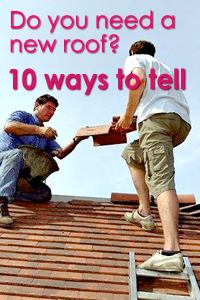
Do you need a new roof? TEN ways to tell


How often do you look at your roof? If you're like me, you run in and out of the house, shuttle the kids back and forth, and glance up at the roofline only occasionally as you back out of the driveway.


But inspecting your roof regularly and making little fixes as needed can prevent some costly repairs down the road -- and keep those raindrops from falling on your head. There's another benefit, too: Keeping your roof in good condition will also be a big plus if you decide to sell your home.

DoTake it from the top
So, what should you look for when inspecting your roof? The National Roofing Contractors Association (NRCA) recommends you do a roof inspection at least two times a year -- spring and fall. The best place to begin is inside your house -- grab a flashlight and make a trip to the attic.

Here are four things to look for on the inside:

    1) Places where the roof deck is sagging

    2) Signs of water damage or leaking

    3) Dark spots and trails

    4) Outside light showing through the roof.


Here are four things to look for on the inside:

    1) Places where the roof deck is sagging

    2) Signs of water damage or leaking

    3) Dark spots and trails

    4) Outside light showing through the roof.


Exterior check
When you take a look at the exterior of the roof, pay attention to such things as damaged flashing, missing shingles, curling, blistering, buckling, rotting and algae growth (which occurs most often in humid climates and appears as dark or greenish stains).

Check out these tips on what to check on the outside:

    5) Visually inspect your roof for cracked, torn, bald or missing shingles.

    6) Scan the roof for loose material or wear around chimneys, vents, pipes or other penetrations.

    7) Watch out for an excessive amount of shingle granules (they look like large grains of sand) in the gutters -- this is a sign of advanced wear.

    8) Check for signs of moisture, rot or mold. Note that wet spots may not be directly under your faulty shingle; water can travel down to its lowest spot before it drips. Mold, fungi and bacteria can grow quickly -- within 24 to 48 hours of a water-related problem.

    9) Examine the drainage, and make sure gutters and downspouts are securely attached. Also ensure all drains are open and allow water to exit, and all gutters and downspouts are free of debris.

    10) Check that all bath, kitchen and dryer vents go entirely outside of your home, not just into the attic space.


What's the roof made of?

  • Cedar: A cedar roof in need of repair or replacement will split and fall apart in dry climates. In moist climates, it will get mossy. The lifespan of a cedar roof is about 20 years.
  • Tile: Look for broken or cracked tiles but don't walk on the roof to do so or the tiles will break. Tile roofs can last up to 100 years, but individual tiles can break. They can be replaced, but only by a specialist.
  • Concrete: should never need replacing

If you have a roof with wooden shakes, you should also watch out for damage from termites, carpenter ants and/or other wood-boring pests.

Check the simplest solutions first
If your roof has water damage, don't jump the gun and assume you need to start all over with a brand new roof.  If your roof was properly installed and is less than than 15 to 20 years old, it can often be repaired rather than replaced.

Contact a licensed roofing contractor -- or three -- to find out what they think needs to be done and to get an estimate.

Starting over
If you do decide to go ahead and replace the whole roof, keep weather and other issues specific to your locality in mind when choosing materials.

For example, wood and asphalt shingles aren't especially fire resistant -- and this could be a problem if you live near a lot of dry brush and trees. Slate, tile and metal are more expensive materials, but they are a worthwhile investment because of the extra protection they offer against fire.

If, on the other hand, snow loads are an issue where you live, you might want to consider a durable and lightweight standing-seam metal roof. These can typically cast off the snow before it becomes a problem.

But before setting your heart on slate or tile -- and we know they look really gorgeous -- realize that these are very heavy materials. Some house framing just isn't strong enough to support the extra weight of this sort of roofing.

Start now -- before you have no choice
Don't wait until water is unexpectedly pouring into your home by way of a leaky roof. Start protecting your home by using some simple observation skills. If you find problems, it doesn't necessarily mean you need to replace your roof. Many repairs can be made before a major rebuild is necessary.

If you do need a new roof, be aware that this isn't an average "do it yourself" type of project. It's tough work -- especially if you're taking off the old roof -- and can be dangerous, too. (Roofs slope and are up high... need we say more?)

It's all looking up
Most people list "Having a roof over my head" as one of life's essentials -- and there's a reason for that. It's not just a matter of practicality or aesthetics (though both of those play a part). Your roof is what keeps you and your family safe from the sun and snow, lightning and rain.

So cozy up with the knowledge that once your roof is in tip-top shape, it will stay that way for years to come.

Source: sheknows.com HOME & GARDEN 

Read

VANCOUVER, B.C. – October 2, 2012 – The summer of 2012 drew to a close in September with home sale 
activity well below historical averages in the Greater Vancouver housing market.
The Real Estate Board of Greater Vancouver (REBGV) reports that residential property sales of detached, attached and apartment properties reached 1,516 in September, a 32.5 per cent decline compared to the 2,246 sales 
in September 2011 and an 8.1 per cent decline compared to the 1,649 sales in August 2012.
September sales were 41.6 per cent below the 10-year September sales average of 2,597.
 “There’s been a clear reduction in buyer demand in the three months since the federal government eliminated 
the availability of a 30-year amortization on government-insured mortgages,” Eugen Klein, REBGV president 
said. “This makes homes less affordable for the people of the region.”
New listings for detached, attached and apartment properties in Greater Vancouver totalled 5,321 in September. 
This represents a 6.3 per cent decline compared to September 2011 when 5,680 properties were listed for sale on 
the MLS® and a 31.6 per cent increase compared to the 4,044 new listings in August 2012.
At 18,350, the total number of residential property listings on the MLS® increased 14.1 per cent from this time 
last year and increased 4.5 per cent compared to August 2012.
“Today, our sales-to-active-listings ratio sits at 8 per cent, which puts us in a buyer’s market. This ratio has been 
declining in our market since March when it was 19 per cent,” Klein said.
The MLS HPI® composite benchmark price for all residential properties in Greater Vancouver is $606,100. 
This represents a decline of 0.8 per cent compared to this time last year and a decline of 2.3 per cent over last 
three months.
“Prices in the region remain relatively stable overall, although we do see some reductions in the areas that have 
had some of the largest price increases over the last year or two,” Klein said.
Sales of detached properties on the MLS® in September 2012 reached 594, a decrease of 37.9 per cent from the 
957 detached sales recorded in September 2011, and a 31.4 per cent decrease from the 866 units sold in September 2010. The benchmark price for detached properties decreased 0.5 per cent from September 2011 to $935,600.
Sales of apartment properties reached 676 in September 2012, a 26.7 per cent decrease compared to the 922 
sales in September 2011, and a decrease of 30.4 per cent compared to the 971 sales in September 2010. The 
benchmark price of an apartment property decreased 0.7 per cent from September 2011 to $368,600.
Attached property sales in September 2012 totalled 246, a 33 per cent decrease compared to the 367 sales in 
September 2011, and a 35.8 per cent decrease from the 383 attached properties sold in September 2010. The 
benchmark price of an attached unit decreased 2.7 per cent between September 2011 and 2012 to $458,600.
NEWSFLASH


Conditions continue to favour buyers in the Greater Vancouver 
housing market

  
VANCOUVER, B.C. – October 2, 2012 – The summer of 2012 drew to a close in September with home sale activity well below historical averages in the Greater Vancouver housing market.

The Real Estate Board of Greater Vancouver (REBGV) reports that residential property sales of detached, attached and apartment properties reached 1,516 in September, a 32.5 per cent decline compared to the 2,246 sales in September 2011 and an 8.1 per cent decline compared to the 1,649 sales in August 2012.

September sales were 41.6 per cent below the 10-year September sales average of 2,597. 

“There’s been a clear reduction in buyer demand in the three months since the federal government eliminated the availability of a 30-year amortization on government-insured mortgages,” Eugen Klein, REBGV president said. “This makes homes less affordable for the people of the region.”

New listings for detached, attached and apartment properties in Greater Vancouver totalled 5,321 in September. This represents a 6.3 per cent decline compared to September 2011 when 5,680 properties were listed for sale on the MLS® and a 31.6 per cent increase compared to the 4,044 new listings in August 2012.

At 18,350, the total number of residential property listings on the MLS® increased 14.1 per cent from this time last year and increased 4.5 per cent compared to August 2012.

“Today, our sales-to-active-listings ratio sits at 8 per cent, which puts us in a buyer’s market. This ratio has been declining in our market since March when it was 19 per cent,” Klein said.

The MLS HPI® composite benchmark price for all residential properties in Greater Vancouver is $606,100. This represents a decline of 0.8 per cent compared to this time last year and a decline of 2.3 per cent over last three months.

“Prices in the region remain relatively stable overall, although we do see some reductions in the areas that have had some of the largest price increases over the last year or two,” Klein said.

Sales of detached properties on the MLS® in September 2012 reached 594, a decrease of 37.9 per cent from the 957 detached sales recorded in September 2011, and a 31.4 per cent decrease from the 866 units sold in September 2010. The benchmark price for detached properties decreased 0.5 per cent from September 2011 to $935,600.

Sales of apartment properties reached 676 in September 2012, a 26.7 per cent decrease compared to the 922 sales in September 2011, and a decrease of 30.4 per cent compared to the 971 sales in September 2010. The benchmark price of an apartment property decreased 0.7 per cent from September 2011 to $368,600.

Attached property sales in September 2012 totalled 246, a 33 per cent decrease compared to the 367 sales in September 2011, and a 35.8 per cent decrease from the 383 attached properties sold in September 2010. The benchmark price of an attached unit decreased 2.7 per cent between September 2011 and 2012 to $458,600.

Courtsey of the Real Estate Board of Greater Vancouver 
Read
Reciprocity Logo The data relating to real estate on this website comes in part from the MLS® Reciprocity program of either the Greater Vancouver REALTORS® (GVR), the Fraser Valley Real Estate Board (FVREB) or the Chilliwack and District Real Estate Board (CADREB). Real estate listings held by participating real estate firms are marked with the MLS® logo and detailed information about the listing includes the name of the listing agent. This representation is based in whole or part on data generated by either the GVR, the FVREB or the CADREB which assumes no responsibility for its accuracy. The materials contained on this page may not be reproduced without the express written consent of either the GVR, the FVREB or the CADREB.